
Global South Perspectives on the Peace-Development Nexus
The potential of South-South and triangular cooperation in addressing the development impacts of conflict
Reflections and dialogue
This series brings together reflections from policymakers, development thinkers and practitioners on how South-South and triangular cooperation can help Global South countries respond to challenges triggered or exacerbated by conflict in order to protect, sustain, and advance sustainable development gains.
Recent and unfolding conflicts have elevated the intricate nexus of peace and development and the need for strategic action on the multidimensional impact faced particularly by Global South countries. With just 35% of the SDG targets on track for achievement by 2030, further challenges to progress just four years to target date raise red flags on the prospects of development gains being rolled back or lost.
In increasingly interconnected regional and global economies, disruptions generated by conflict propagate through networks of trade, finance, energy markets, food systems, and human mobility — cascading across borders, amplifying existing vulnerabilities, and generating secondary crises that disproportionately burden developing countries. Even conflicts occurring far beyond national borders can trigger multi-layered development shocks, over which countries exercise little control yet bear disproportionate consequences.
The series will explore, in particular, themes of relevance to the Global South and/or themes emerging as priorities for action, such as the immediate and long-term impact of disruptions to trade and supply chains, energy and food security, human mobility, debt distress, gender and demographic dimensions, basic service delivery, governance and social cohesion, migration and labor mobility, etc. It will link to parallel efforts of other entities within and beyond the UN system that track or analyze the impact of conflict within their thematic mandates.
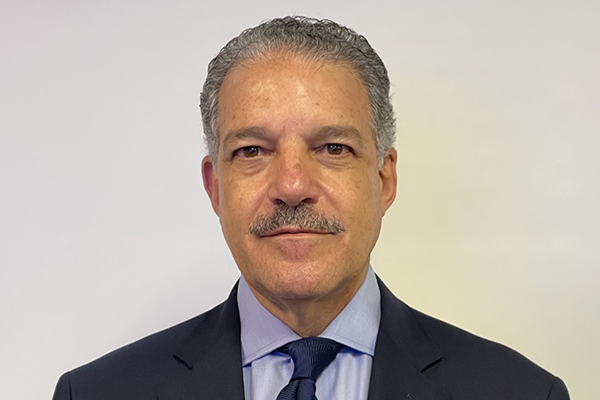
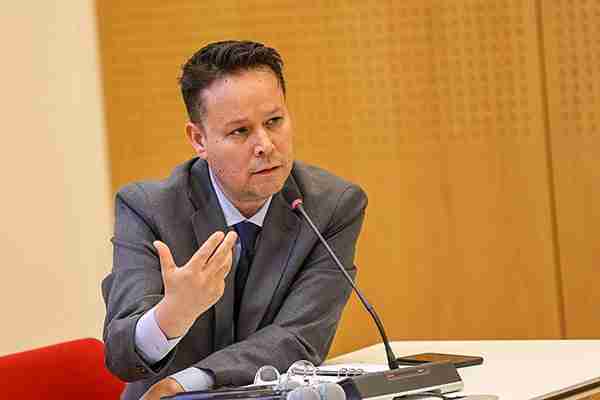
The series opens with a framing brief by UNOSSC Director Dima Al-Khatib, alongside a think piece by Dr. Adel Abdellatif, Lead Author of the Global Report on South-South and Triangular Cooperation 2025: Bridging Horizons and Continents – Forging Transformative Pathways in South-South and Triangular Cooperation.
This dialogue explores:
The repercussions or development impact of conflict on Global South countries in general and/or countries in specific income groups in particular (e.g., least developed countries, landlocked developing countries, small island developing states, middle-income countries, etc.).
Trends that affect the development prospects and trajectories of the Global South the most.
The plausible development scenarios that may emerge for Global South (and North) countries in the context of the ongoing conflicts, and how these scenarios might reshape overall progress towards the SDGs.
How South-South and triangular cooperation can serve as a strategic mechanism to strengthen resilience, mitigate the adverse development impacts, and support Global South countries in safeguarding and advancing sustainable development gains in an increasingly uncertain global environment.
Contributors:
Policymakers and government representatives
Development practitioners within and beyond the United Nations system
Academia and research institutions
Civil society, including women and youth stakeholders
Timeline:
Launch: April 2026
Closing: 27 August 2026
Outcome: Key insights and recommendations will be compiled into an Issue Brief to be presented at the UN Day for South-South Cooperation (11 September 2026)
Articles:



Substantive background:
Military Escalation in the Middle East: Human Development Impacts Across Asia and the Pacific
“Military Escalation in the Middle East: Economic and Social Implications for the Arab States region” Assessment (UNDP)
“The escalation has exposed structural vulnerabilities of the Arab States region and underscored a stark reality that even a short-lived shock can generate profound, widespread and persistent socio-economic impacts across the Arab States region.”
Strait of Hormuz disruptions: Growth and financial implications (Second UNCTAD Assessment)
The Strait is one of the world’s most vital arteries of energy-related trade, accounting for a significant share of global oil and gas supplies – “foundation of much of what the world produces, trades and consumes.” It is now practically closed, causing extra burdens on countries and people.
Present conflict in the Middle East: Risks and opportunities for South Asia (UNESCAP)
For South Asia that is dependent on energy from the Middle East, the current tensions are not distant geopolitical events; they have direct impact on the sub-region’s economies. Developments could accelerate transition to renewable energy, and regional cooperation would be essential.
Global Agrifood Implications of the 2026 Conflict in the Middle East: Impacts on energy and fertilizer trade, and food security (FAO)
“The escalation of conflict in the Islamic Republic of Iran and the Middle East has sharply increased risks to global energy, fertilizer, and agrifood systems. The Strait of Hormuz, a critical chokepoint for oil, gas, and fertilizers, has already seen disruptions that are raising energy and agricultural input costs worldwide. Fertilizer shortages and higher energy prices threaten crop yields, while remittance losses and potential shifts to biofuel production could amplify food price volatility, particularly in Africa, Asia, and other import-dependent regions.”
Middle East Crisis (UNFPA)
As the humanitarian crisis deepens across the Middle East, tens of thousands of people have been killed, injured and displaced, with civilians the hardest hit.
For more information please contact: Minerva Novero-Belec, Policy Specialist, minerva.novero@unossc.org; or Mithre J. Sandrasagra, Communications Specialist, mithre.sandrasagra@unossc.org
The views expressed in this dialogue are those of the author(s) and do not necessarily reflect the views of the United Nations, its officials or Member States.