Action Plan on Gender Equality and the Empowerment of Women at the National Level in the Arab Region

Mainstreaming gender action within national institutions in the Arab region

arja@un.org

Challenges

The Beijing Declaration and Platform for Action outlined the need for National Women’s Machineries (NWMs) to ensure the ‘mainstreaming’ (bringing into public debate as a priority issue) of gender equality and the empowerment of women in government institutions, policies and programmes. Since then, the number and scope of NWMs has grown exponentially, including in the Arab region. However, despite their near ubiquitous presence, NWMs in the region have faced unique and trying challenges since the Arab uprisings of 2010/2011. As well as the usual constraints faced by such institutions, such as weak internal institutional structures, limited human and financial resources and cultural and societal resistance, NWMs in the Arab region must contend with contexts in which conflict, occupation, political upheaval and severe humanitarian crises have become the norm. 

Toward a Solution

The United Nations Economic and Social Commission for Western Asia (ESCWA) is leading an initiative to implement an “Action Plan on Gender Equality and the Empowerment of Women at the National Level in the Arab Region”. The objective of the initiative is to accelerate achievement of Sustainable Development Goal (SDG) 5 (Gender Equality), by providing NWMs with a concrete Action Plan to bring gender equality and women’s empowerment (GEWE) into a prominent position in their own internal procedures and those of government and other institutions. It also contributes to the Istanbul Programme of Action (IPoA) Priority Areas 5 (Human and Social Development), 7 (Mobilizing financial resources for development and capacity-building) and 8 (Good governance at all levels). 

In consultation with NWMs in the Arab region, in 2016 ESCWA developed a tailored accountability framework comprising 15 performance indicators. To support the implementation of the Action Plan within as many institutions as possible and to ensure its sustainability, ESCWA carried out the following actions: 

  • Development of the necessary knowledge products to support reporting and monitoring; 
  • Putting together a pool of experts in facilitating women’s participation from NWMs in the region, following International Labour Organization (ILO) methodology; 
  • Building needed national capacity through tailored programmes and technical assistance missions to advance the achievements of the indicators and required reporting processes; 
  • Establishment of an online platform to facilitate proper reporting and monitoring. 

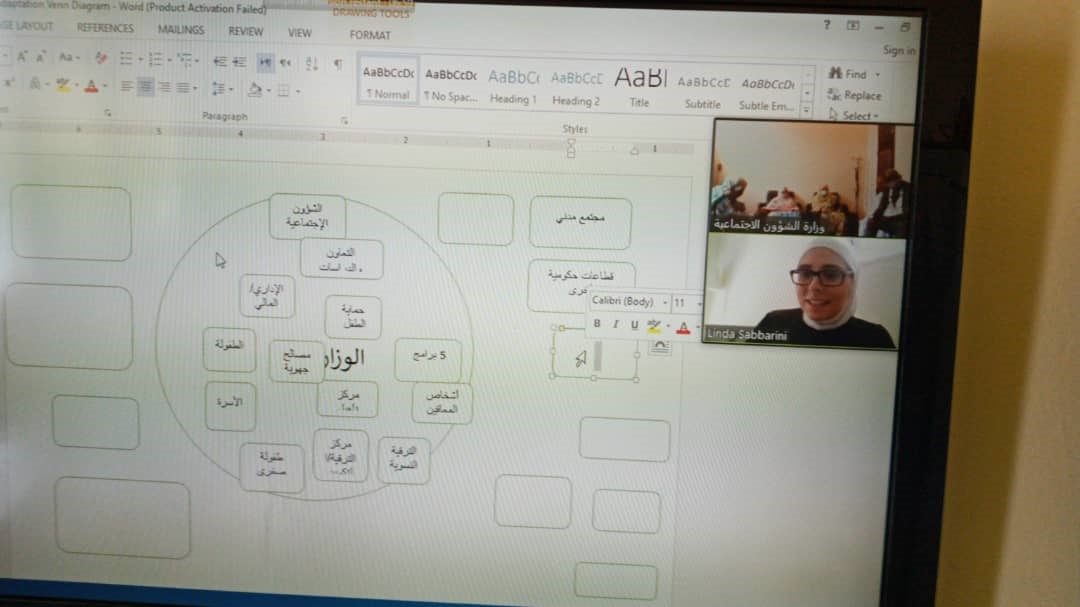
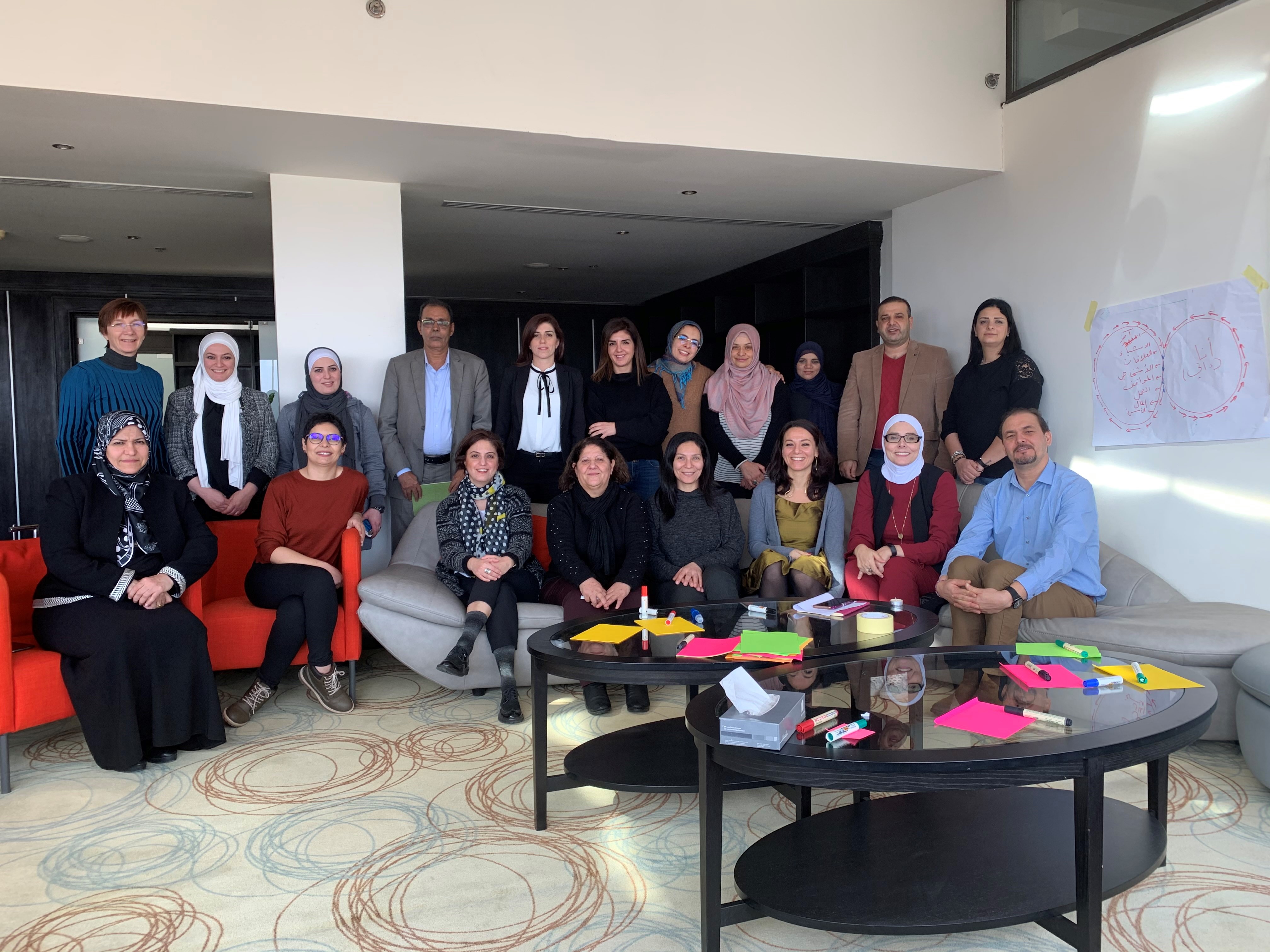
ESCWA has successfully implemented the Action Plan, with proven initial results, in the Ministry of Social Affairs, Childhood and the Family of Mauritania. The Action Plan was rolled out through an institutional gender audit and an organization-wide capacity-building programme supported by Jordanian and Moroccan NWMs, which yielded immediate results and confirmed the relevance of the initiative. A ministerial budget increase was approved for promoting gender equality and mainstreaming in Mauritania’s NWMs annual budget for 2021. Increase in institutional capacities and budget is a key driver to acceleration in the implementation of SDG 5 at the national level, and this positive change is a major policy influence that is attributable to this initiative and ensures its sustainability. 

The initiative aims to build the capacities of NWMs as a first step, so that they can then implement the Action Plan in other national institutions, expanding the scope of the potential change considerably. This scalable approach is thought to be the most appropriate and practical way of achieving the ultimate goal of gender equality in the region. It is also expected to contribute to the sustainability and facilitate the replicability of the initiative over time, and to its expansion to as many national institutions as are interested. 

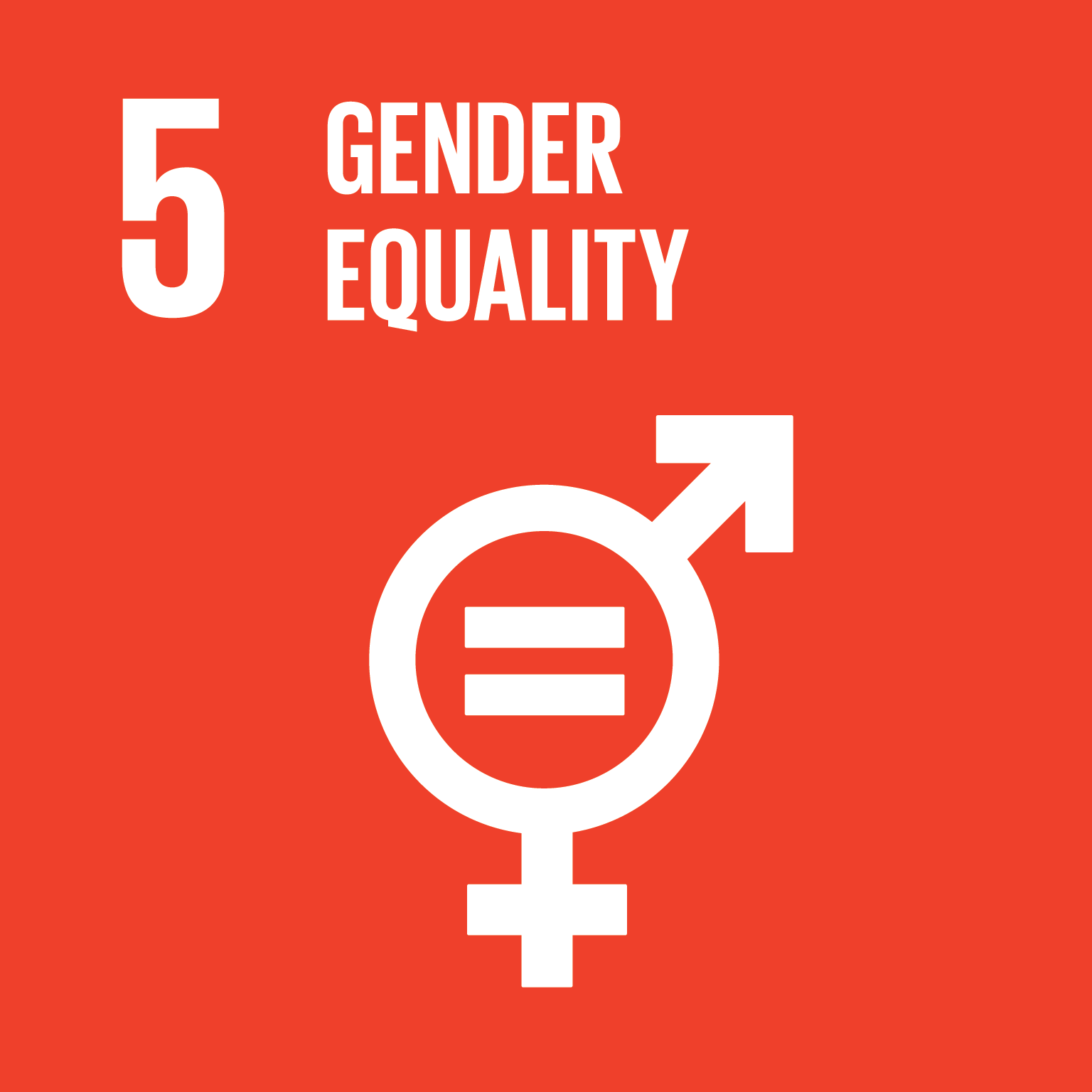
The COVID-19 pandemic provided an opportunity to pilot the implementation of a gender audit online in addition to a capacity-building programme. This was a successful experience that provided lessons for future audits in large national institutions, particularly as funds are likely to be curtailed with the financial crisis resulting from the pandemic. It demonstrated the feasibility of online audits relying on expertise and experience from different countries and provided insights into how to conduct them with high quality and reduced budgets. 
Primary SDG
Secondary SDGs
5.1 - End all forms of discrimination against all women and girls everywhere, 5.2 - Eliminate all forms of violence against all women and girls in the public and private spheres, including trafficking and sexual and other types of exploitation, 5.3 - Eliminate all harmful practices, such as child, early and forced marriage and female genital mutilation, SDG 5.4, 5.5 - Ensure womens full and effective participation and equal opportunities for leadership at all levels of decision-making in political, economic and public life, SDG 5.6, SDG 5.a, 5.b - Enhance the use of enabling technology, in particular information and communications technology, to promote the empowerment of women, 5.c - Adopt and strengthen sound policies and enforceable legislation for the promotion of gender equality and the empowerment of all women and girls at all levels
CONTACT INFORMATION
Ms. Rouba Arja, Social Affairs Officer, United Nations Economic and Social Commission for Western Asia (ESCWA)
COUNTRIES INVOLVED
Jordan, Mauritania, Morocco
SUPPORTED BY
UN Women; International Labour Organization (ILO)

Similar Solutions


  • All Post
  • ATCT Featured Publications POM
  • BAPA+40
  • Blog
  • Capacity Development Initiatives
  • CICETE Featured Publications POM
  • CIKD
  • Cities Clusters - Agriculture
  • Cities Clusters - COVID-19
  • Cities Clusters - COVID-19 Knowledge Products
  • Cities Clusters - DRR
  • Cities Clusters - E-commerce
  • Cities Clusters - Tourism
  • Cities Clusters - Tourism Knowledge Products
  • Cities Clusters - Transport
  • Cities Clusters - Waste
  • Cities Project
  • Cities Project COVID-19 Newsletters
  • Cities Project COVID-19 Response
  • Cities Project Knowledge Products
  • Classic (untouched)
  • Climate Action
  • COMSATS Featured Publications POM
  • COMSATS Featured Solutions POM
  • Converted from Divi
  • Converted from Mixed
  • Converted from WPBakery
  • COVID-19
  • COVID-19 Page Featured Solutions
  • DRR Knowledge Products
  • DRR News
  • Empty Post
  • Events
  • Featured Event UN-Habitat POM
  • Financing for Development
  • Financing Mechanisms
  • g7+
  • Gender Events
  • Gender News
  • Good Practices in SSTrC Series
  • Good Practices Publications
  • Good Practices Thematic Series & Special Editions
  • Good Practices Vol. 2
  • Good Practices Vol. 3
  • GSSDC
  • Highlighted
  • Highlighted Publications
  • IAEA Featured Solutions POM
  • IBRAF Featured Publications POM
  • IBSA Fund
  • IBSA Fund Annual Reports
  • IBSA Fund News and Stories
  • IBSA Fund Publication
  • IBSA Fund Story
  • ICGEB Featured Events POM
  • ICGEB Featured Publications POM
  • ICGEB Featured Solutions POM
  • ILO Featured Events POM
  • ILO Featured Publications POM
  • ILO Featured Solutions POM
  • India-UN Development Partnership Fund
  • India-UN Fund Publication
  • India-UN Fund Story
  • IsDB
  • IsDB Featured Publications POM
  • IsDB SCC
  • News
  • Norec Featured Publications POM
  • Norec Featured Solutions POM
  • Peace and Development
  • PGTF Publications
  • PGTF Story
  • PICA Featured News POM
  • PICA Featured Publications POM
  • PICA Featured Solutions POM
  • PIDF Featured Publications POM
  • Publications
  • Regional Updates
  • Research
  • ROK-UNOSSC Facility
  • SGP Featured Publication POM
  • SGP Featured Solutions POM
  • Solution
  • South South in Action
  • South-South Global Thinkers
  • South-South Ideas
  • South-South Ideas Series
  • South-South in Action Series
  • Southern Response to COVID-19
  • SSN4PSI Featured Publications POM
  • SSN4PSI Featured Solutions POM
  • Training
  • UN Day for SSC 2020
  • UN Fund for SSC
  • UN SSC Day Publications
  • UN-Habitat Featured Publications POM
  • UN-HABITAT Featured Solutions POM
  • UNCCT
  • UNEP Featured Publications POM
  • UNFPA
  • UNFSSC Publication
  • UNFSSC Story
  • UNIDO Featured Publications POM
  • UNIDO Featured Solutions POM
  • UNIDO POM Events
  • UNOCT Featured Publications POM
  • UNV
  • UNV Featured Publications POM
  • WB Featured Publications POM
  • WB Featured Solutions POM
  • Webinars
  • WFP Featured Events POM
  • WFP Featured Publication POM
  • WFP Featured Solutions POM
  • WIPO
  • Workshops and Seminars
  • Youth4South
  • z Across the Globe 1
  • z Across the Globe 2
  • z Across the Globe 4
  • z Across the Globe 5
  • z Across the Globe 6
  • z Across the Globe 7
  • z Across the Globe 8
  • z ES BAPA+40
  • z ES Eventos
  • z ES Noticias
  • z ES Noticias Destacadas
  • z ES Publicaciones
  • z ES Publicaciones Destacadas
  • z ES Serie Buenas Prácticas en la CSSyT
  • z ES Serie El Sur-Sur en Acción
  • z FR Actualités
  • z FR BAPA+40
  • z FR Événements
  • z FR Publications
  • z FR Publications en vedette
  • z FR Série Bonnes pratiques en CSST
  • z FR Série Sud-Sud en action
  • z Highlighted News
  • z Photos
  • z Videos
  • z ZH BAPA+40
  • z ZH Events
  • z ZH News

Connect with UNOSSC

Stay updated with the latest trends in South-South cooperation and access our vast repository of knowledge.

Copyright © UNOSSC/UNDP

Alliance Application Form

Submit an Expression of Interest and/or Demand Signal. UNOSSC reviews submissions on a rolling basis.

1. Official name of organization / institution / government entity (exclusions to apply) *
Organization logo
Maximum file size: 20 MB
2. Country *
3. Region *
4. Select relevant SDGs *
5. Partner category *
6. Website *
7. Brief description of your institution (max. 150 words) *
Name for the Lead *
Title for the Lead *
Email address for the Lead *
Name for the co-lead
Title for the co-lead
Email address for the co-lead
Section 3. Expression of Interest in the Alliance *
Additional information on proposed areas of engagement may be requested through the platform following initial review by the Alliance Secretariat.
Section 4. Due Diligence and Integrity Declaration *

Submission Note:

  • Submission of this Expression of Interest form does not automatically confer participation in the Alliance.
  • All submissions will be reviewed by the Alliance Secretariat, including basic eligibility screening and proportionate due diligence, as appropriate.
  • Participation in Alliance activities is determined based on relevance to articulated cooperation needs, alignment with Alliance principles, and integrity considerations.
  • Engagement under the Alliance is voluntary, non-binding, and facilitative in nature, and does not constitute funding approval, contractual commitment, or institutional membership.
  • The Alliance Secretariat may contact submitting entities for additional information or clarification during the review process.

Submission of Demand Form

Description of Demand

Indicate the type of support or cooperation requested through the Alliance.
Please briefly describe the challenge, gap, or priority. (Max. 300 words)

Thematic and Geographic Focus

Please indicate the main focus areas of your demand:

A. Thematic Areas (select up to three)
B. Geographic Focus (select all that apply)

Proposed Engagement Modalities

Please indicate how you would like to engage through the Alliance (select all that apply):

Expected Outcomes

Please indicate the main results you seek to achieve through this engagement. (Max. 200 words)
Examples:
• Capacity strengthened
• Partnerships established
• Sectoral or regional strategies co-developed
• Solutions piloted
• Knowledge generated
• Policies informed

Timeline and Readiness (if applicable)

1. Expected timeframe for engagement:
2. Current stage:

Additional Information

Please provide any additional information, documents, or links relevant to this submission.
(Max. 200 words or upload link)

Submission of Offer Form

Description of Contribution

Indicate the type of contribution your institution can provide and describe the expertise, resources, or solutions you may offer.
Please briefly describe your proposed contribution. (Max. 300 words)

Thematic and Geographic Focus

Please indicate the main focus areas of your interest:

A. Thematic Areas (select up to three)
B. Geographic Focus (select all that apply)

Proposed Engagement Modalities

Please indicate how you would like to engage through the Alliance (select all that apply):

Expected Outcomes

Please indicate the main results you aim to achieve through this engagement. (Max. 200 words)
Examples:
• Capacity strengthened
• Partnerships established
• Sectoral or regional strategies co-developed
• Solutions piloted
• Knowledge generated
• Policies informed

Timeline and Readiness (if applicable)

1. Expected timeframe for engagement:
2. Current stage:

Additional Information

Please provide any additional information, documents, or links relevant to this submission.
(Max. 200 words or upload link)

Organization Registration

Authentication & Due Diligence This prototype simulates identity verification, due diligence confirmation, and an authentication step before submission. *

First Name *
Last Name *
Email address *
Password *
Confirm Password *
Name of institution / organization *
Country / Region *
Organization Type *
Organization other *
Function / role *
Organization logo *
Maximum file size: 1 GB

Login

Login / email *
Password *
Remember me

Forgot password?

Connect form

Your name *
Email *
Organization / institution *
Job title / role *
Reason for connecting:
Short message

Create Meeting Room

Purpose:
Use this form to create a virtual meeting room to consult with experts and partners on specific thematic areas. A coordinator will confirm expert availability and meeting details.

Mandatory Information

Meeting purpose / consultation topic *
Type of meeting *
Main thematic area *
SDG (select multiple)
Expert(s) requested from roster
Brief description of discussion *

Preferred meeting date(s) (up to 3)

Date 1
Date 2
Date 3
Preferred time window *
Time zone *
Requesting institution / organization *

Contact person

Name *
Email *

Optional Information

Related Galaxy item
Urgency level *
Preferred language(s)
Other participants to invite
Additional notes
Scroll to Top