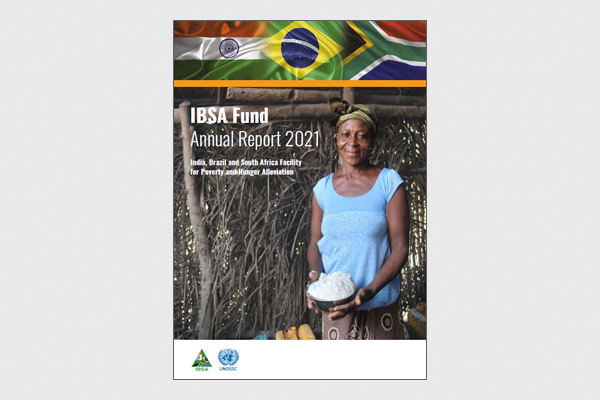
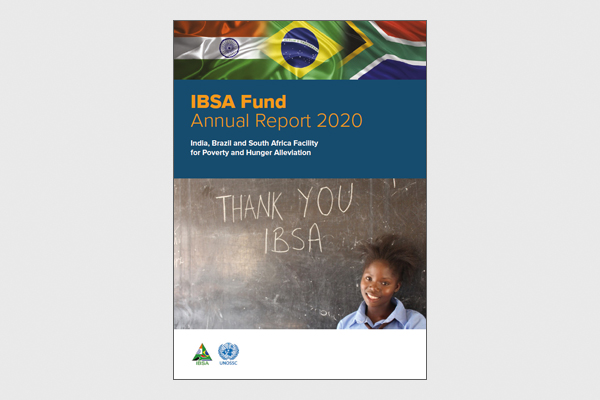
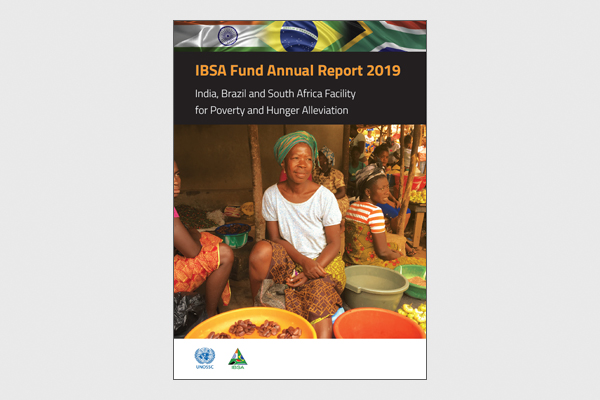
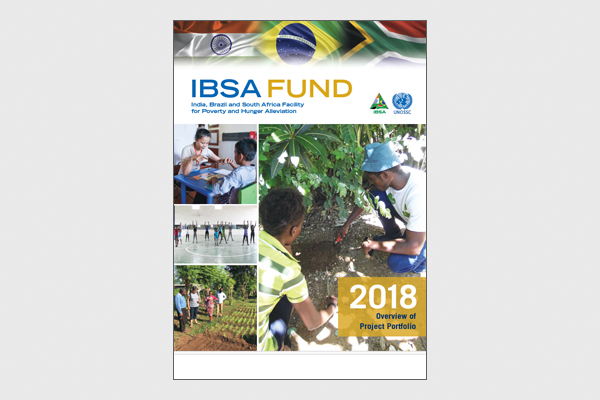
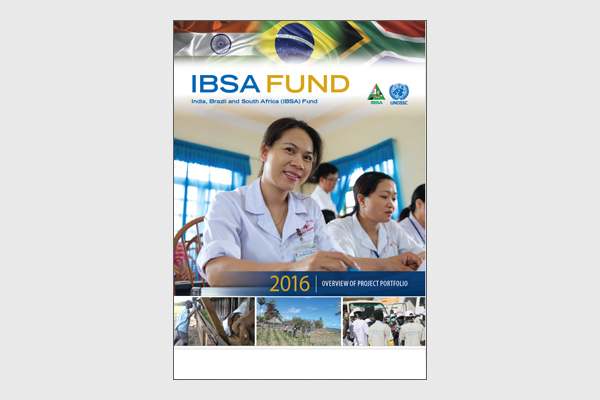
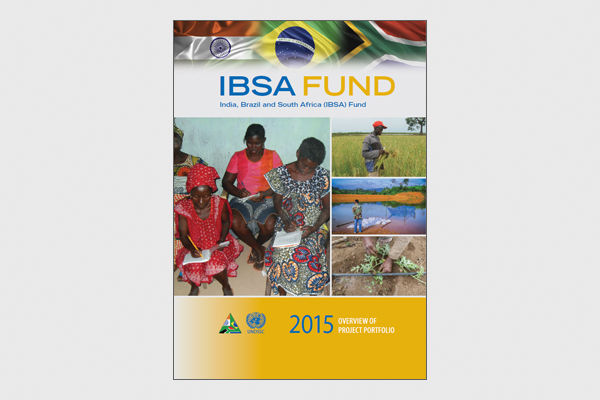
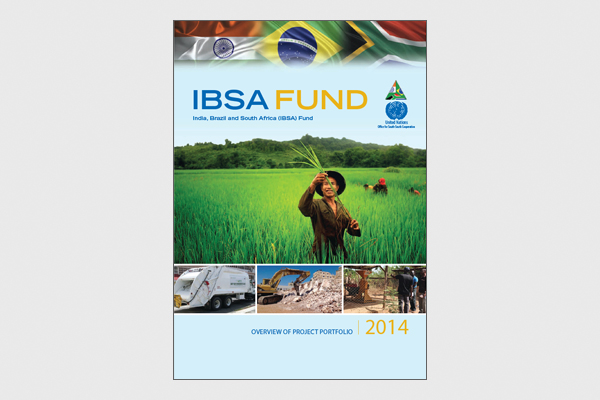
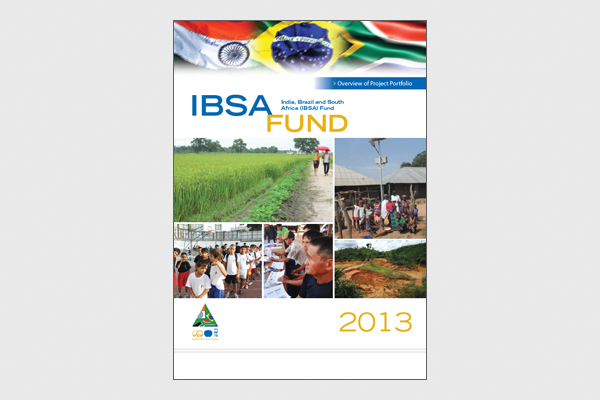
India, Brazil and South Africa Facility for Poverty and Hunger Alleviation (IBSA Fund)

A unique forum which brings together India, Brazil and South Africa – three large democracies, three major economies, three multicultural, multi-ethnic, multilingual and multi-faith countries on three different continents.

Introduction
IBSA Fund

How to apply to the IBSA Fund

A demand-driven facility supporting developing countries in the fight against poverty and hunger through South-South cooperation.

#IBSAFund

About the IBSA Fund

India, Brazil and South Africa · Operational since 2006

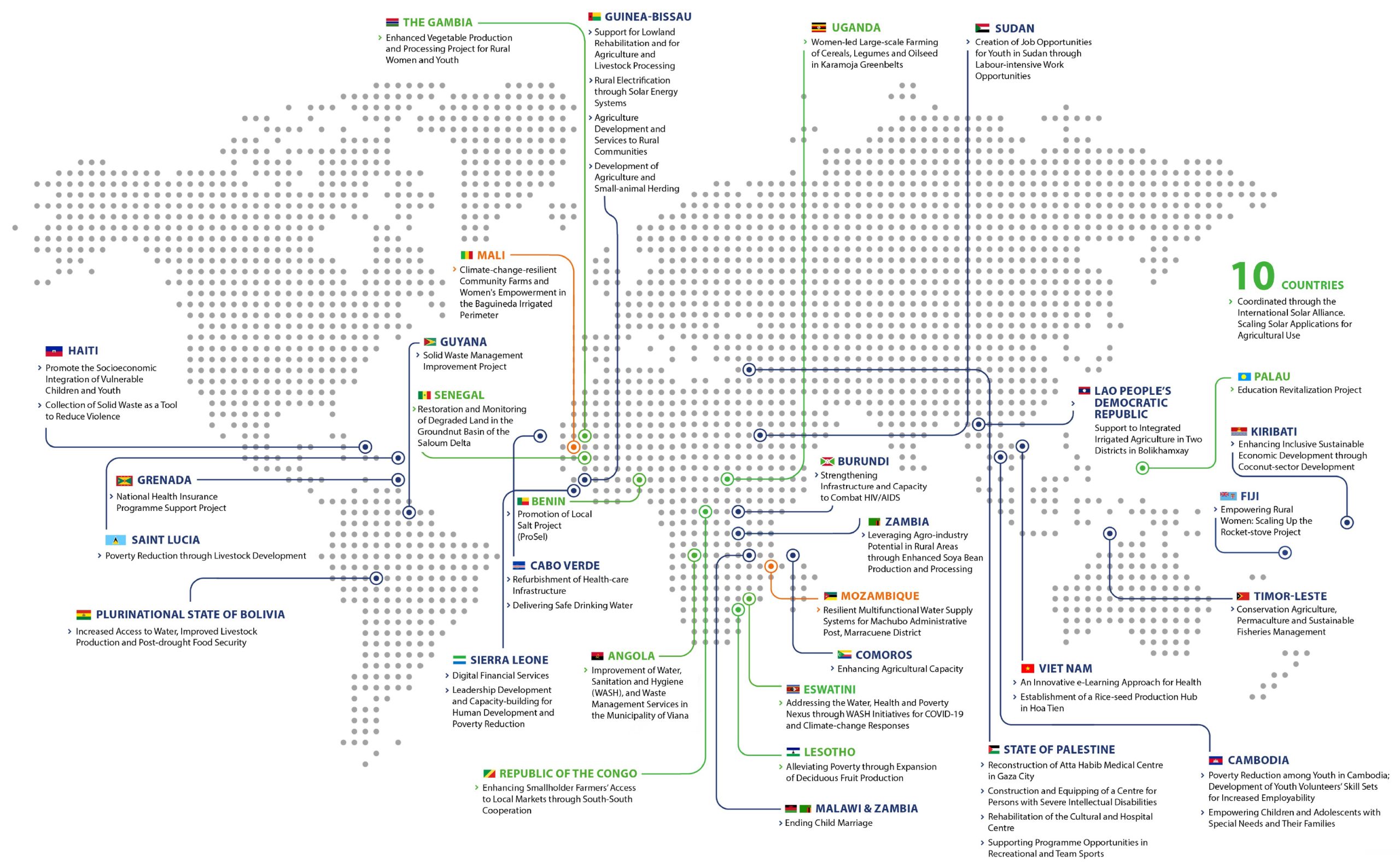
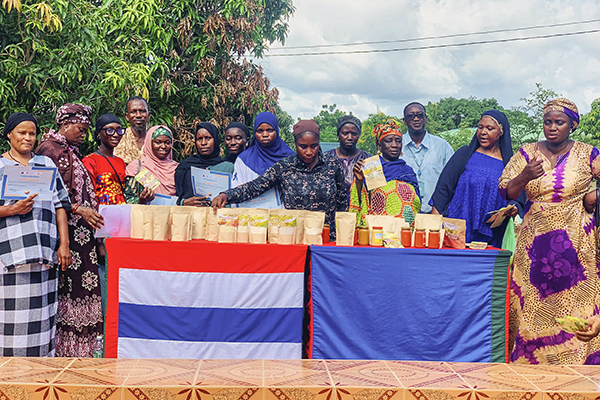
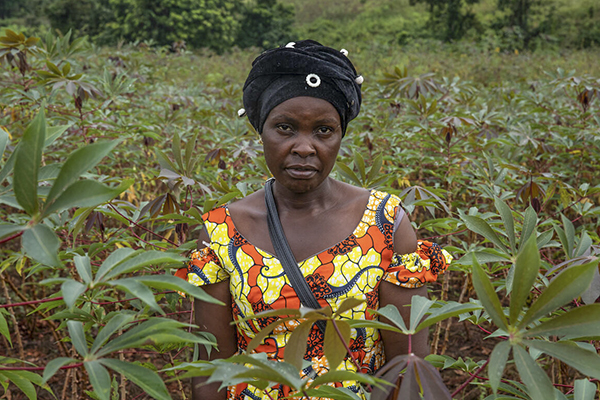
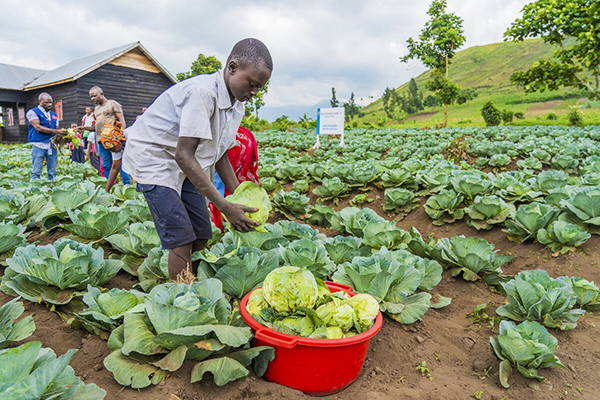
The India, Brazil and South Africa Facility for Poverty and Hunger Alleviation (IBSA Fund) became operational in 2006 to support developing countries on a demand-driven basis in addressing their development challenges.

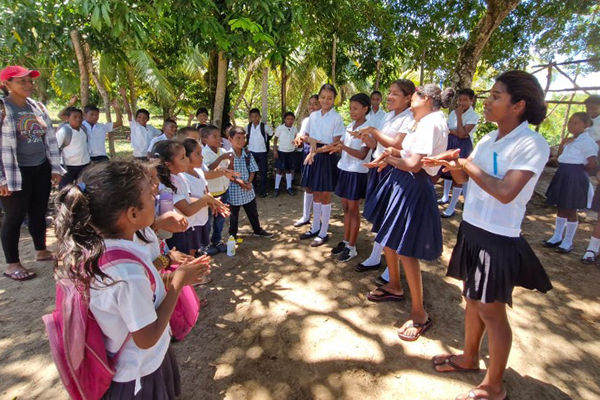
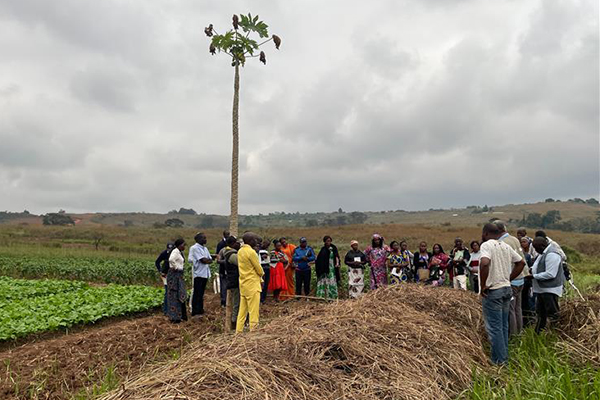
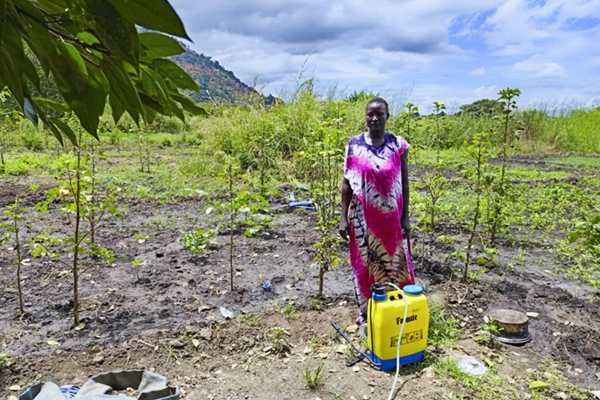
The Fund implements, through partnerships, replicable and scalable projects that can be disseminated to interested developing countries as examples of best practices in the fight against poverty and hunger.

The IBSA Trust Fund operates through a Government-to-Government demand-driven approach, managed by UNOSSC.

How to apply

Application process · Government-to-Government

1

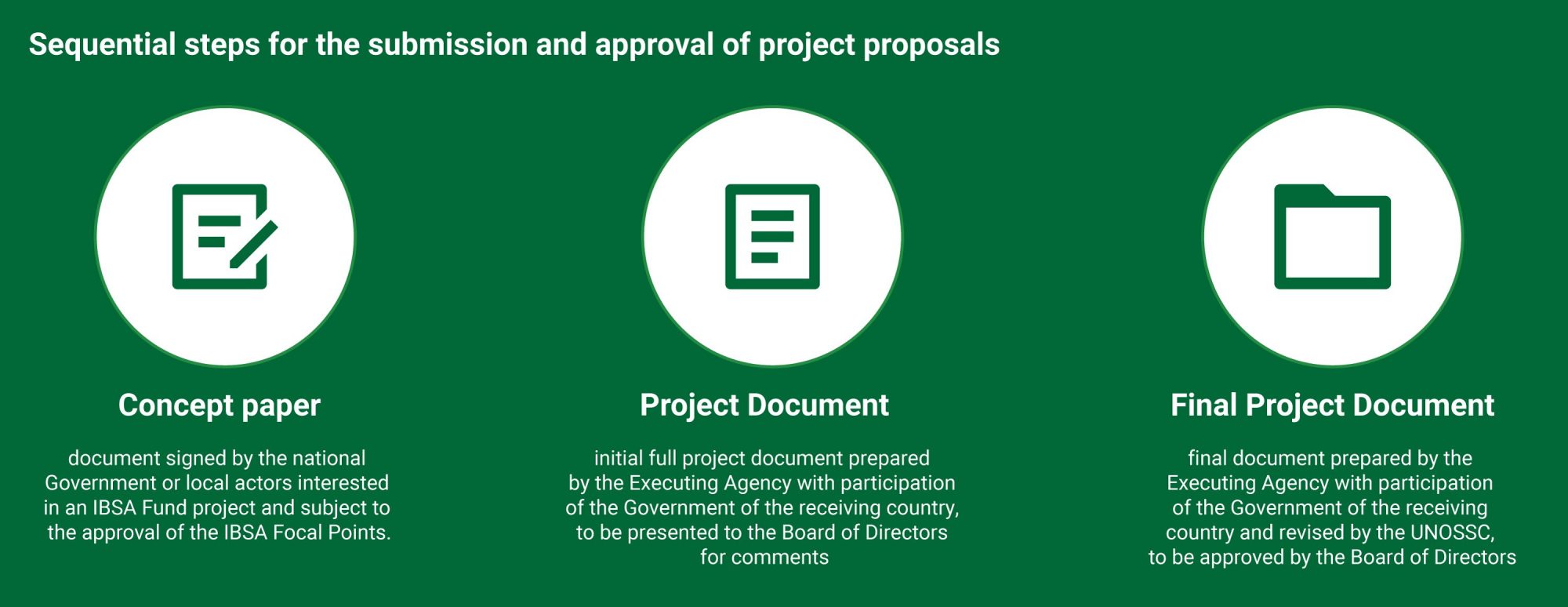
Submit a concept note

Interested governments approach IBSA diplomatic missions at their capitals or at UN Headquarters in New York with a concept-note outline of the proposed project.

2

Mission review and forwarding

IBSA missions forward eligible proposals to IBSA Focal Points at IBSA capitals for their consideration.

3

Board consideration

Proposals receiving sponsorship from at least one IBSA Focal Point are presented to the IBSA Fund Board of Directors for approval.

4

UN coordination and formulation

UNOSSC informs the UN Resident Coordinator, who facilitates nomination of a UN implementing partner and convenes stakeholders to advance project formulation.

Evaluation criteria

Criteria 1–2 of 12

Criterion 01

Reduction of poverty and hunger

The IBSA Fund supports developing countries in their efforts to reduce poverty and hunger.

Criterion 02

National ownership and leadership

Proposals must clearly align with the priorities of the country concerned. Regional projects may also be considered.

Evaluation criteria

Criteria 3–4 of 12

Criterion 03

South-South cooperation

The Fund encourages mutual exchange of experiences and cooperation between developing countries, particularly good practices in reducing poverty and hunger.

Criterion 04

Use of IBSA country capacities

The Fund particularly encourages the use and transfer of capacities and expertise available in IBSA countries.

Evaluation criteria

Criteria 5–6 of 12

Criterion 05

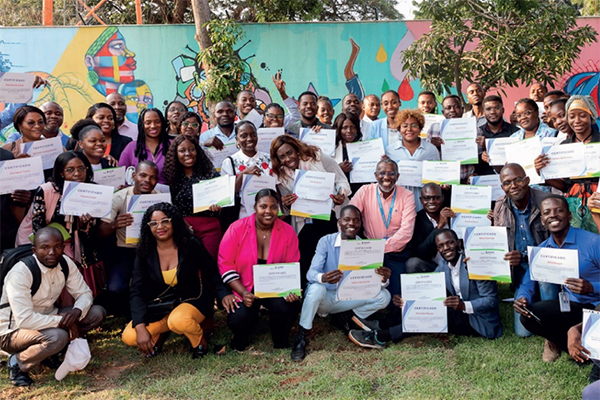
Strengthening local capacity

Proposals should pay special attention to identifying and strengthening local capacities in the recipient country.

Criterion 06

Ownership

The Fund gives priority to projects in which national entities participate and continue to work in a longer-term perspective.

Evaluation criteria

Criteria 7–8 of 12

Criterion 07

Sustainability

Proposals should indicate how sustainable activities will be improved or created to continue upon project implementation.

Criterion 08

Identifiable impact

Activities supported must have clearly identifiable development impact directly attributable to the Fund.

Evaluation criteria

Criteria 9–10 of 12

Criterion 09

Replicability

Projects should be replicable and scalable for dissemination in interested developing countries as examples of good practices.

Criterion 10

Innovation

The Fund encourages new ways of approaching development issues, with emphasis on replicating innovative experiences from other developing countries.

Evaluation criteria

Criteria 11–12 of 12

Criterion 11

Time frame

Project proposals should normally cover a period of 12 to 24 months to ensure the achievement of medium-term impact.

Criterion 12

Project size

The Fund encourages appropriately sized projects that enable the replication of innovative experiences already implemented in developing countries.

Learn more

unsouthsouth.org/ibsafund
Ms. Dingding Sun Programme Specialist (Trust Fund Secretariat), UNOSSC dingding.sun@unossc.org
#IBSAFund

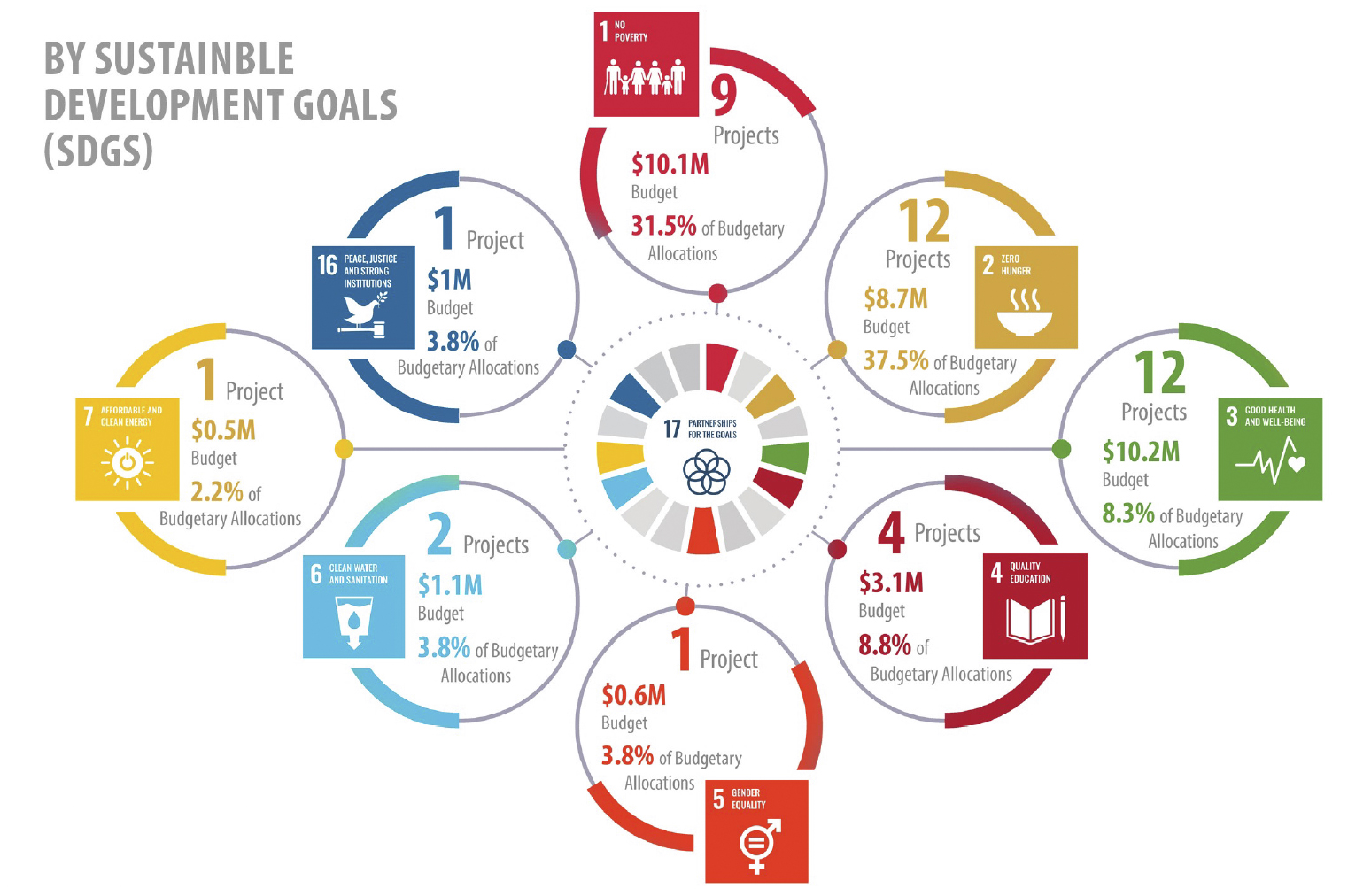
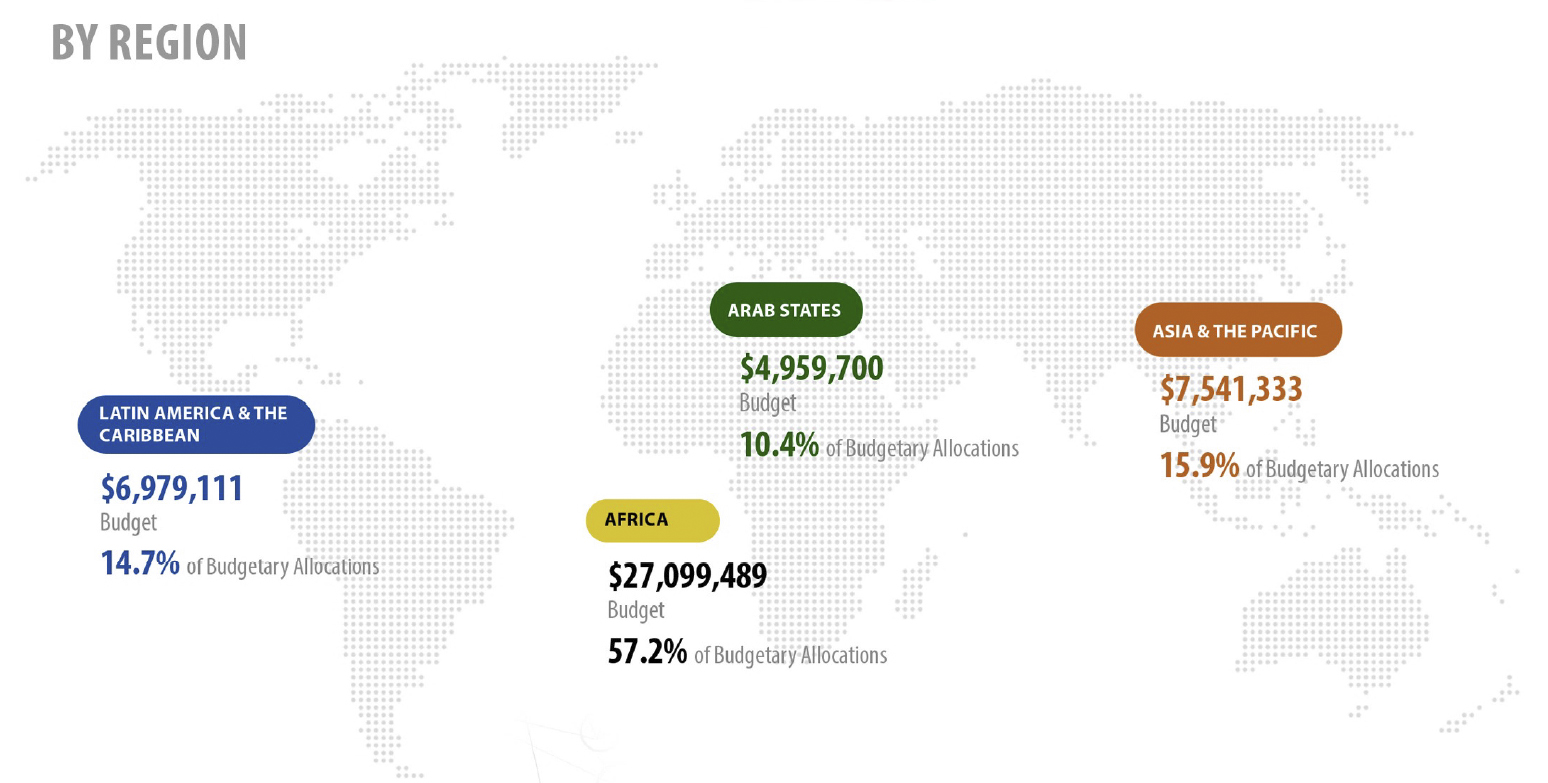
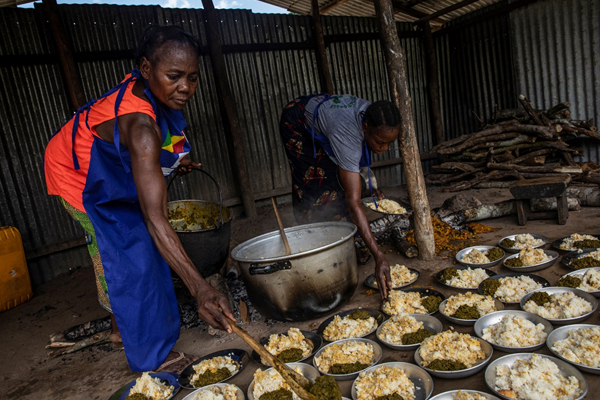
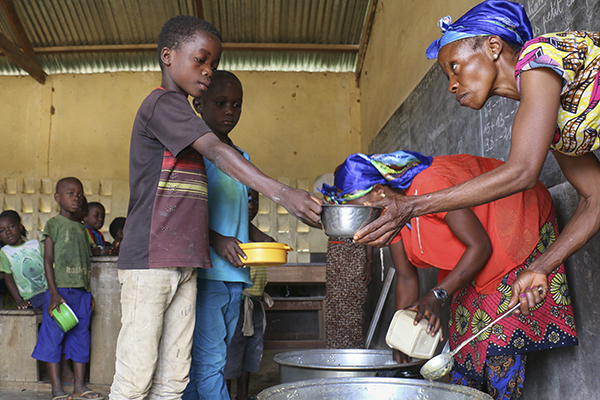
The IBSA Fund is a remarkable example of cooperation among three developing countries, which pioneered the implementation of South-South cooperation initiatives for the benefit of other Southern countries in partnership with the United Nations system. The purpose of the Fund is to identify replicable and scalable projects that can be disseminated to interested developing countries as examples of good practices in the fight against poverty and hunger.The fund, which was established in 2004 and became operational in 2006, supports projects on a demand-driven basis through partnerships with local governments, national institutions and implementing partners. The projects that it supports are concrete expressions of solidarity for the benefit of the most vulnerable and marginalized people, with the objectives of promoting food security, addressing HIV/AIDS, extending access to safe drinking water, and promoting quality education and gender equality, all with the aim of contributing to the achievement of the Sustainable Development Goals (SDGs).

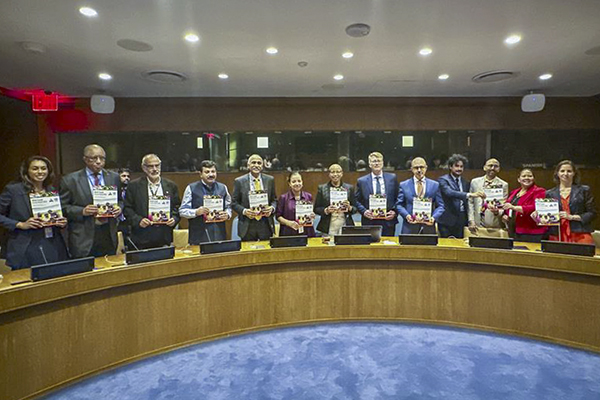
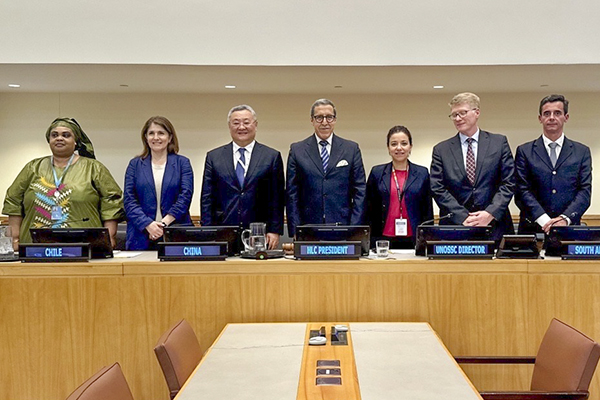
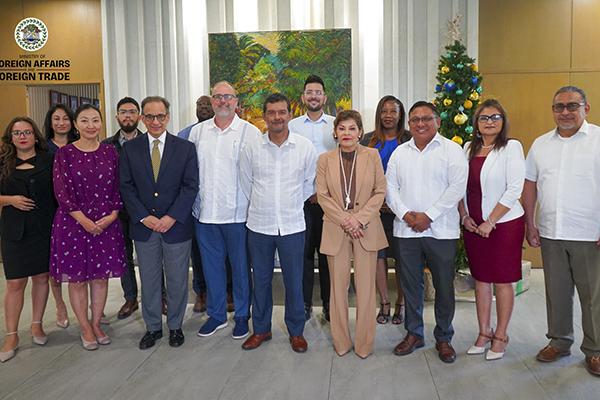
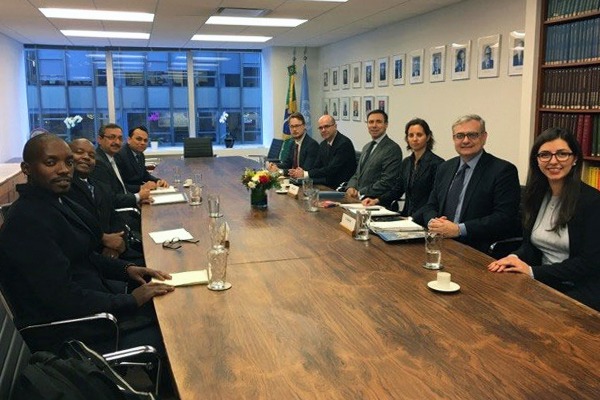
The Board of Directors of the IBSA Fund is composed of the Deputy Permanent Representatives of India, Brazil and South Africa to the United Nations in New York. The Board approves summary proposals and detailed projects and continuously provides strategic direction to IBSA projects to ensure their successful implementation through strong South-South partnerships.

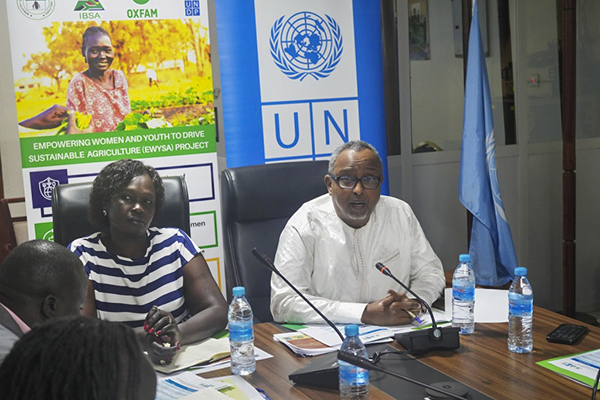
The United Nations Office for South-South Cooperation (UNOSSC) is the Fund Manager and secretariat of the IBSA Fund, supporting its Board of Directors as it establishes the strategic vision and programmatic activities of the Fund. The UNOSSC Trust Fund Management Team, working closely with the IBSA Fund experts and partners, provides monitoring, quality assurance and knowledge-management and communications across the IBSA Fund projects.

Projects
0
Countries
0
Revenue
$ 0 M
Allocations
$ 0 M
Delivery
$ 0 M

Projects

Stories

View All

Procedure and criteria for applying to the Fund

The IBSA Trust Fund operates through a Government-to-Government demand driven approach.

Interested governments may approach the IBSA diplomatic missions at their capitals or United Nations Headquarters in New York with a concept-note outline of the project that they wish to submit. Said IBSA missions will, in turn, forward eligible submitted proposals to the IBSA Focal Points at IBSA capitals for their consideration.

more about how to apply...

The project proposals receiving sponsorship from at least one IBSA Focal Point at a capital are presented to the IBSA Fund Board of Directors for its consideration.

UNOSSC informs the respective United Nations Resident Coordinator of approved proposals. The Resident Coordinator then facilitates the nomination of a United Nations agency implementing partner (unless it has been previously identified) and convenes the Government and other relevant stakeholders to advance project formulation.

Criteria for evaluating IBSA Fund project proposals

1. Reduction of poverty and hunger: The IBSA Fund would support developing countries in their efforts to reduce poverty and hunger.

2. National ownership and leadership: Proposals should be clearly in alignment with the priorities of the country concerned. Regional projects might also be considered.

3. South-South cooperation: The Fund would encourage mutual exchange of experiences and cooperation between developing countries, in particular good practices in reducing poverty and hunger.

4. Use of IBSA country capacities: The Fund particularly encourages the use and the transfer of capacities and expertise available in IBSA countries.

5. Strengthening local capacity: The proposal should pay special attention to identifying and strengthening local capacities.

6. Ownership: The Fund gives priority to projects in which national entities in the project countries participate and continue to work in a longer-term perspective.

7. Sustainability: The proposal should indicate how, upon its implementation, sustainable activities will be improved or created to continue in a longer-term perspective.

8. Identifiable impact: The activities supported by the IBSA Fund would have clearly identifiable development impact attributable to the Fund.

9. Replicability: Projects should be replicable and scalable for dissemination in interested developing countries as examples of good practices in the fight against povertyand hunger.

10. Innovation: The Fund would encourage new ways of approaching development issues, with emphasis on the replication of innovative experiences already implemented in other developing countries, in particular experiences in the IBSA countries.

11. Time frame: The project proposal should normally cover a period of 12 to 24 months to ensure the achievement of medium-term impact.

12. Project size: The Fund would encourage new ways of approaching development issues, with emphasis on the replication of innovative experiences already implemented in other developing countries, in particular experiences in the IBSA countries.
Contact Information

BOARD OF DIRECTORS

Permanent Mission of Brazil to the United Nations

distri.delbrasonu@itamaraty.gov.br

Permanent Mission of India to the United Nations

india.newyorkpmi@mea.gov.in

Permanent Mission of the Republic of South Africa to the United Nations

pmun.newyork@dirco.gov.za

SECRETARIAT

Ms. Dingding Sun

Programme Specialist (Trust Fund Secretariat)

E-mail: dingding.sun@unossc.org

Mr. Donaldo Lopez

Operations Specialist

E-mail: donaldo.lopez@unossc.org

Connect with UNOSSC

Stay updated with the latest trends in South-South cooperation and access our vast repository of knowledge.

Copyright © UNOSSC/UNDP

Alliance Application Form

Submit an Expression of Interest and/or Demand Signal. UNOSSC reviews submissions on a rolling basis.

1. Official name of organization / institution / government entity (exclusions to apply) *
Organization logo
Maximum file size: 20 MB
2. Country *
3. Region *
4. Select relevant SDGs *
5. Partner category *
6. Website *
7. Brief description of your institution (max. 150 words) *
Name for the Lead *
Title for the Lead *
Email address for the Lead *
Name for the co-lead
Title for the co-lead
Email address for the co-lead
Section 3. Expression of Interest in the Alliance *
Additional information on proposed areas of engagement may be requested through the platform following initial review by the Alliance Secretariat.
Section 4. Due Diligence and Integrity Declaration *

Submission Note:

  • Submission of this Expression of Interest form does not automatically confer participation in the Alliance.
  • All submissions will be reviewed by the Alliance Secretariat, including basic eligibility screening and proportionate due diligence, as appropriate.
  • Participation in Alliance activities is determined based on relevance to articulated cooperation needs, alignment with Alliance principles, and integrity considerations.
  • Engagement under the Alliance is voluntary, non-binding, and facilitative in nature, and does not constitute funding approval, contractual commitment, or institutional membership.
  • The Alliance Secretariat may contact submitting entities for additional information or clarification during the review process.

Submission of Demand Form

Description of Demand

Indicate the type of support or cooperation requested through the Alliance.
Please briefly describe the challenge, gap, or priority. (Max. 300 words)

Thematic and Geographic Focus

Please indicate the main focus areas of your demand:

A. Thematic Areas (select up to three)
B. Geographic Focus (select all that apply)

Proposed Engagement Modalities

Please indicate how you would like to engage through the Alliance (select all that apply):

Expected Outcomes

Please indicate the main results you seek to achieve through this engagement. (Max. 200 words)
Examples:
• Capacity strengthened
• Partnerships established
• Sectoral or regional strategies co-developed
• Solutions piloted
• Knowledge generated
• Policies informed

Timeline and Readiness (if applicable)

1. Expected timeframe for engagement:
2. Current stage:

Additional Information

Please provide any additional information, documents, or links relevant to this submission.
(Max. 200 words or upload link)

Submission of Offer Form

Description of Contribution

Indicate the type of contribution your institution can provide and describe the expertise, resources, or solutions you may offer.
Please briefly describe your proposed contribution. (Max. 300 words)

Thematic and Geographic Focus

Please indicate the main focus areas of your interest:

A. Thematic Areas (select up to three)
B. Geographic Focus (select all that apply)

Proposed Engagement Modalities

Please indicate how you would like to engage through the Alliance (select all that apply):

Expected Outcomes

Please indicate the main results you aim to achieve through this engagement. (Max. 200 words)
Examples:
• Capacity strengthened
• Partnerships established
• Sectoral or regional strategies co-developed
• Solutions piloted
• Knowledge generated
• Policies informed

Timeline and Readiness (if applicable)

1. Expected timeframe for engagement:
2. Current stage:

Additional Information

Please provide any additional information, documents, or links relevant to this submission.
(Max. 200 words or upload link)

Organization Registration

Authentication & Due Diligence This prototype simulates identity verification, due diligence confirmation, and an authentication step before submission. *

First Name *
Last Name *
Email address *
Password *
Confirm Password *
Name of institution / organization *
Country / Region *
Organization Type *
Organization other *
Function / role *
Organization logo *
Maximum file size: 1 GB

Login

Login / email *
Password *
Remember me

Forgot password?

Connect form

Your name *
Email *
Organization / institution *
Job title / role *
Reason for connecting:
Short message

Create Meeting Room

Purpose:
Use this form to create a virtual meeting room to consult with experts and partners on specific thematic areas. A coordinator will confirm expert availability and meeting details.

Mandatory Information

Meeting purpose / consultation topic *
Type of meeting *
Main thematic area *
SDG (select multiple)
Expert(s) requested from roster
Brief description of discussion *

Preferred meeting date(s) (up to 3)

Date 1
Date 2
Date 3
Preferred time window *
Time zone *
Requesting institution / organization *

Contact person

Name *
Email *

Optional Information

Related Galaxy item
Urgency level *
Preferred language(s)
Other participants to invite
Additional notes

Knowledge Products form

A. Publication Basics (Mandatory)

Exact Title of the Publication *
Executive Summary *
Submitting Organization *
Publication Available Online *
Direct Link to Publication (if online)

B. Publication Details

Subtitle
Publication Type
Publications Type Other
Year of Publication
Authors / Editors
Key Messages

C. Organizations & Contacts

Partner Organizations

Contact Person

Name
Title
Email

D. Discoverability (Optional)

Topics / Themes
Keywords
SDGs
Geographic Coverage
Language(s)

Good Practices form

SECTION 1. BASIC INFORMATION

Title of the Good Practice *
Name of the Solution(s) *
Short Summary *
max. 60 words
Lead Implementing Institution *
Partner Institutions *
Countries / Territories Involved *
Regions Involved *
Type of Cooperation *

SECTION 2. DEVELOPMENT CONTEXT & SDG ALIGNMENT

Primary SDG(s) Addressed *
SDG Target(s) *
Secondary SDGs (if applicable)
Development Challenge Addressed *
100–150 words

SECTION 3. DESCRIPTION OF THE GOOD PRACTICE & SOLUTION

Objectives of the Good Practice *
max. 100 words
Description of the Solution(s) *
max. 300 words
Innovation Dimension *
max. 150 words

SECTION 4. SOUTH-SOUTH & TRIANGULAR COOPERATION VALUE

South-South Knowledge Exchange *
max. 200 words
Role of Triangular Partners (if applicable)

SECTION 5. PARTICIPATION & GOVERNANCE

Participatory Approach *
max. 150 words
Governance & Institutional Arrangements *

SECTION 6. PRODUCED IMPACT (Partner-Validated)

Description of Produced Impact *
max. 250 words
Quantitative Results *
Qualitative Results
Timeframe of Impact *

SECTION 7. SUSTAINABILITY & SCALABILITY

Sustainability of the Good Practice *
max. 150 words
Replicability & Adaptability of the Solution *
max. 150 words

SECTION 8. RISKS & LESSONS LEARNED

Key Risks and Mitigation Measures
max. 100 words
Lessons Learned *
max. 150 words

SECTION 9. RESOURCES & EVIDENCE

Supporting Materials
Maximum file size: 1 GB
manuals, toolkits, evaluations, media
URL of the Good Practice / Solution

SECTION 10. CONTACT INFORMATION & VALIDATION

Focal Point – Lead Institution

Name *
Title *
Organization *
Email *
Focal Point – Partner Institution (Impact Validation)* (name, title, organization, email) *
Declaration *

Scroll to Top