• Home
  • /
  • News
  • /
  • UN Agencies Advance New Push to Strengthen South-South and Triangular Cooperation Across the System

UN Agencies Advance New Push to Strengthen South-South and Triangular Cooperation Across the System


United Nations agencies are putting in place practical measures to make South-South and triangular cooperation more coordinated, visible and results-focused across the UN system. Through a renewed Inter-Agency Mechanism and the new System-wide Strategy on South-South and Triangular Cooperation 2026-2029, the UN system aims to help countries connect more easily with relevant expertise, tested solutions and partnerships from across the Global South to accelerate progress on the Sustainable Development Goals.

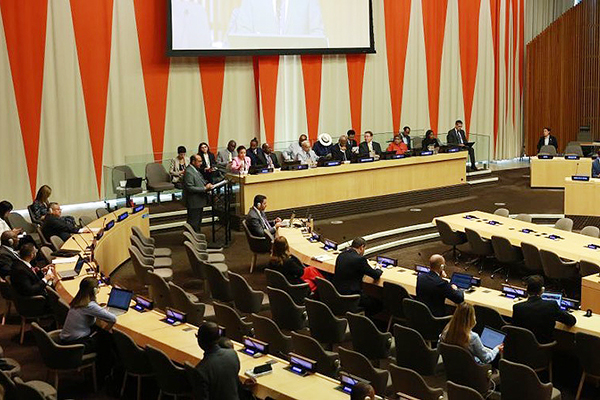
That momentum was reinforced during an expanded Inter-Agency Meeting on South-South and Triangular Cooperation, convened by the United Nations Office for South-South Cooperation (UNOSSC) on 14 May 2026.

Bringing together representatives from across the United Nations system, the meeting marked a significant step toward implementation of the newly endorsed United Nations System-wide Strategy on South-South and Triangular Cooperation 2026-2029 – a framework designed to strengthen coherence, accountability and collaboration across agencies working to advance sustainable development through South-South and triangular partnerships.

Opening the meeting, UNOSSC Director Dima Al-Khatib welcomed participants and thanked them for extensive contributions to the development of the new strategy and related global reports. She emphasized that while United Nations entities are already undertaking substantial work on South-South and triangular cooperation, greater coordination and visibility are needed to better demonstrate the United Nations system’s collective impact.

“Across the system, United Nations entities are doing a tremendous amount of work in this space,” the Director noted. “But often these efforts are communicated separately, and we are not always telling the bigger collective story of where our work may converge and what we are delivering together.”

The meeting introduced several institutional, operational and digital initiatives intended to reinvigorate the Inter-Agency Mechanism and strengthen system-wide implementation, moving forward.

Central to the discussions was UNOSSC’s Strategic Framework 2026-2029, which positions the Office as a stronger strategic leader, knowledge broker and convener for South-South and triangular cooperation across the United Nations development system.

Participants also discussed the new United Nations System-wide Strategy on South-South and Triangular Cooperation 2026-2029. The strategy positions South-South and triangular cooperation as a core modality for sustainable development and introduces a strengthened Inter-Agency Mechanism structure operating at both director and expert levels. Among its key features are a common scorecard to support accountability and monitoring, annual action plans to guide implementation, and stronger integration of South-South and triangular cooperation into United Nations planning frameworks and development programming.

The meeting also highlighted the launch of the United Nations System-wide Strategy on South-South and Triangular Cooperation 2026-2029 – a new multi-stakeholder platform designed to connect governments, United Nations entities and development partners through more practical and demand-driven cooperation.

As part of this effort, UNOSSC presented ongoing work to further strengthen its digital ecosystem, including continued development of South-South Galaxy+ and the Global Alliance platform. Planned features include AI-enabled tools to support trend analysis, matchmaking, experience-sharing and partnership development across the Global South.

United Nations entities broadly welcomed the direction of the new strategy and highlighted opportunities for deeper collaboration.

The International Labour Organization expressed strong support for the strategy’s emphasis on accountability and coherence, while the United Nations Development Programme raised practical considerations around implementation, including incentives for joint programming, integration with broader United Nations reform efforts and ensuring adequate human support alongside digital tools.

UN Women stressed the importance of mainstreaming gender equality throughout implementation efforts, while the United Nations Office for Disaster Risk Reduction welcomed the focused approach of the proposed scorecard and matchmaking platform.

The Economic and Social Commission for Asia and the Pacific shared updates on its own AI-powered South-South Cooperation Connector platform and highlighted opportunities for interoperability and collaboration with the Global Alliance initiative.

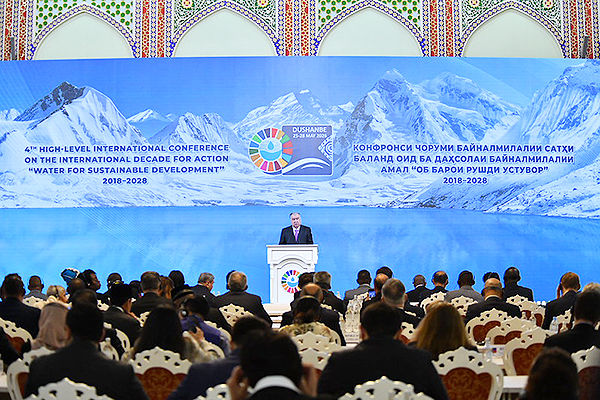
UN-Habitat reaffirmed its growing partnership with UNOSSC and identified upcoming opportunities for collaboration, including joint engagements around the World Urban Forum 13 in Azerbaijan, and the Fourth High-Level International Conference on the Water Action Decade in Tajikistan.

The meeting also underscored the demand-based, targeted advisory support and technical support to select UNCTs developing UNSDCFs in 2025 and 2026; in Indonesia, Uganda, Mauritius, Seychelles, the Caribbean Multi-Country Office and Peru to help mainstream South-South cooperation into national planning frameworks

Meanwhile, updates on UNOSSC-managed trust funds highlighted both progress and implementation challenges. Agencies were encouraged to work with country offices to accelerate delivery rates and reduce delays under projects supported by the India-United Nations Development Partnership Fund and the India-United Nations Development Partnership Fund.

The discussion also pointed to the need for stronger storytelling and evidence around the results of South-South and triangular cooperation. While many initiatives are generating tangible benefits, participants noted that these outcomes are often captured in fragmented ways. A more coherent approach to communications and reporting could help show how partnerships among developing countries are delivering practical solutions, building institutional capacity and contributing to sustainable development outcomes. UNOSSC proposed the establishment of a network of communications focal points across the Inter-Agency Mechanism to strengthen coordination and align messaging.

The meeting reflected growing recognition across the United Nations system that South-South and triangular cooperation are increasingly central to efforts to accelerate Sustainable Development Goal implementation through practical, scalable and country-driven partnerships.

With the new System-wide Strategy, renewed Inter-Agency Mechanism and emerging digital platforms now in place, the focus will shift to implementation, ensuring that UN entities work together more effectively, respond to country demand and demonstrate measurable collective impact over the 2026-2029 period.
Related Post


  • All Post
  • ATCT Featured Publications POM
  • BAPA+40
  • Blog
  • Capacity Development Initiatives
  • CICETE Featured Publications POM
  • CIKD
  • Cities Clusters - Agriculture
  • Cities Clusters - COVID-19
  • Cities Clusters - COVID-19 Knowledge Products
  • Cities Clusters - DRR
  • Cities Clusters - E-commerce
  • Cities Clusters - Tourism
  • Cities Clusters - Tourism Knowledge Products
  • Cities Clusters - Transport
  • Cities Clusters - Waste
  • Cities Project
  • Cities Project COVID-19 Newsletters
  • Cities Project COVID-19 Response
  • Cities Project Knowledge Products
  • Classic (untouched)
  • Climate Action
  • COMSATS Featured Publications POM
  • COMSATS Featured Solutions POM
  • Converted from Divi
  • Converted from Mixed
  • Converted from WPBakery
  • COVID-19
  • COVID-19 Page Featured Solutions
  • DRR Knowledge Products
  • DRR News
  • Empty Post
  • Events
  • Featured Event UN-Habitat POM
  • Financing for Development
  • Financing Mechanisms
  • g7+
  • Gender Events
  • Gender News
  • Good Practices in SSTrC Series
  • Good Practices Publications
  • Good Practices Thematic Series & Special Editions
  • Good Practices Vol. 2
  • Good Practices Vol. 3
  • GSSDC
  • Highlighted
  • Highlighted Publications
  • IAEA Featured Solutions POM
  • IBRAF Featured Publications POM
  • IBSA Fund
  • IBSA Fund Annual Reports
  • IBSA Fund News and Stories
  • IBSA Fund Publication
  • IBSA Fund Story
  • ICGEB Featured Events POM
  • ICGEB Featured Publications POM
  • ICGEB Featured Solutions POM
  • ILO Featured Events POM
  • ILO Featured Publications POM
  • ILO Featured Solutions POM
  • India-UN Development Partnership Fund
  • India-UN Fund Publication
  • India-UN Fund Story
  • IsDB
  • IsDB Featured Publications POM
  • IsDB SCC
  • News
  • Norec Featured Publications POM
  • Norec Featured Solutions POM
  • Peace and Development
  • PGTF Publications
  • PGTF Story
  • PICA Featured News POM
  • PICA Featured Publications POM
  • PICA Featured Solutions POM
  • PIDF Featured Publications POM
  • Publications
  • Regional Updates
  • Research
  • ROK-UNOSSC Facility
  • SGP Featured Publication POM
  • SGP Featured Solutions POM
  • Solution
  • South South in Action
  • South-South Global Thinkers
  • South-South Ideas
  • South-South Ideas Series
  • South-South in Action Series
  • Southern Response to COVID-19
  • SSN4PSI Featured Publications POM
  • SSN4PSI Featured Solutions POM
  • Training
  • UN Day for SSC 2020
  • UN Fund for SSC
  • UN SSC Day Publications
  • UN-Habitat Featured Publications POM
  • UN-HABITAT Featured Solutions POM
  • UNCCT
  • UNEP Featured Publications POM
  • UNFPA
  • UNFSSC Publication
  • UNFSSC Story
  • UNIDO Featured Publications POM
  • UNIDO Featured Solutions POM
  • UNIDO POM Events
  • UNOCT Featured Publications POM
  • UNV
  • UNV Featured Publications POM
  • WB Featured Publications POM
  • WB Featured Solutions POM
  • Webinars
  • WFP Featured Events POM
  • WFP Featured Publication POM
  • WFP Featured Solutions POM
  • WIPO
  • Workshops and Seminars
  • Youth4South
  • z Across the Globe 1
  • z Across the Globe 2
  • z Across the Globe 4
  • z Across the Globe 5
  • z Across the Globe 6
  • z Across the Globe 7
  • z Across the Globe 8
  • z ES BAPA+40
  • z ES Eventos
  • z ES Noticias
  • z ES Noticias Destacadas
  • z ES Publicaciones
  • z ES Publicaciones Destacadas
  • z ES Serie Buenas Prácticas en la CSSyT
  • z ES Serie El Sur-Sur en Acción
  • z FR Actualités
  • z FR BAPA+40
  • z FR Événements
  • z FR Publications
  • z FR Publications en vedette
  • z FR Série Bonnes pratiques en CSST
  • z FR Série Sud-Sud en action
  • z Highlighted News
  • z Photos
  • z Videos
  • z ZH BAPA+40
  • z ZH Events
  • z ZH News

Connect with UNOSSC

Stay updated with the latest trends in South-South cooperation and access our vast repository of knowledge.

Copyright © UNOSSC/UNDP

Alliance Application Form

Submit an Expression of Interest and/or Demand Signal. UNOSSC reviews submissions on a rolling basis.

1. Official name of organization / institution / government entity (exclusions to apply) *
Organization logo
Maximum file size: 20 MB
2. Country *
3. Region *
4. Select relevant SDGs *
5. Partner category *
6. Website *
7. Brief description of your institution (max. 150 words) *
Name for the Lead *
Title for the Lead *
Email address for the Lead *
Name for the co-lead
Title for the co-lead
Email address for the co-lead
Section 3. Expression of Interest in the Alliance *
Additional information on proposed areas of engagement may be requested through the platform following initial review by the Alliance Secretariat.
Section 4. Due Diligence and Integrity Declaration *

Submission Note:

  • Submission of this Expression of Interest form does not automatically confer participation in the Alliance.
  • All submissions will be reviewed by the Alliance Secretariat, including basic eligibility screening and proportionate due diligence, as appropriate.
  • Participation in Alliance activities is determined based on relevance to articulated cooperation needs, alignment with Alliance principles, and integrity considerations.
  • Engagement under the Alliance is voluntary, non-binding, and facilitative in nature, and does not constitute funding approval, contractual commitment, or institutional membership.
  • The Alliance Secretariat may contact submitting entities for additional information or clarification during the review process.

Submission of Demand Form

Description of Demand

Indicate the type of support or cooperation requested through the Alliance.
Please briefly describe the challenge, gap, or priority. (Max. 300 words)

Thematic and Geographic Focus

Please indicate the main focus areas of your demand:

A. Thematic Areas (select up to three)
B. Geographic Focus (select all that apply)

Proposed Engagement Modalities

Please indicate how you would like to engage through the Alliance (select all that apply):

Expected Outcomes

Please indicate the main results you seek to achieve through this engagement. (Max. 200 words)
Examples:
• Capacity strengthened
• Partnerships established
• Sectoral or regional strategies co-developed
• Solutions piloted
• Knowledge generated
• Policies informed

Timeline and Readiness (if applicable)

1. Expected timeframe for engagement:
2. Current stage:

Additional Information

Please provide any additional information, documents, or links relevant to this submission.
(Max. 200 words or upload link)

Submission of Offer Form

Description of Contribution

Indicate the type of contribution your institution can provide and describe the expertise, resources, or solutions you may offer.
Please briefly describe your proposed contribution. (Max. 300 words)

Thematic and Geographic Focus

Please indicate the main focus areas of your interest:

A. Thematic Areas (select up to three)
B. Geographic Focus (select all that apply)

Proposed Engagement Modalities

Please indicate how you would like to engage through the Alliance (select all that apply):

Expected Outcomes

Please indicate the main results you aim to achieve through this engagement. (Max. 200 words)
Examples:
• Capacity strengthened
• Partnerships established
• Sectoral or regional strategies co-developed
• Solutions piloted
• Knowledge generated
• Policies informed

Timeline and Readiness (if applicable)

1. Expected timeframe for engagement:
2. Current stage:

Additional Information

Please provide any additional information, documents, or links relevant to this submission.
(Max. 200 words or upload link)

Organization Registration

Authentication & Due Diligence This prototype simulates identity verification, due diligence confirmation, and an authentication step before submission. *

First Name *
Last Name *
Email address *
Password *
Confirm Password *
Name of institution / organization *
Country / Region *
Organization Type *
Organization other *
Function / role *
Organization logo *
Maximum file size: 1 GB

Login

Login / email *
Password *
Remember me

Forgot password?

Connect form

Your name *
Email *
Organization / institution *
Job title / role *
Reason for connecting:
Short message

Create Meeting Room

Purpose:
Use this form to create a virtual meeting room to consult with experts and partners on specific thematic areas. A coordinator will confirm expert availability and meeting details.

Mandatory Information

Meeting purpose / consultation topic *
Type of meeting *
Main thematic area *
SDG (select multiple)
Expert(s) requested from roster
Brief description of discussion *

Preferred meeting date(s) (up to 3)

Date 1
Date 2
Date 3
Preferred time window *
Time zone *
Requesting institution / organization *

Contact person

Name *
Email *

Optional Information

Related Galaxy item
Urgency level *
Preferred language(s)
Other participants to invite
Additional notes
Scroll to Top